Oil Bath filters
Rotary viscous self-cleaning filtration with no disposable elements for large air volumes and very high dust
In high-dust climates, such as sandstorms, deserts and seasonal dust events like the harmattan and laterite, it is essential to protect gas turbines, compressors and large engines, as conventional air intake filtration often struggles.
Oil bath filters are a well-established technology that has been effective for decades in managing large volumes of air with high dust concentrations. Burgess-Manning’s rotary oil bath filters are designed to self-clean continuously and do not require replaceable filter media. This feature ensures a consistent pressure drop and efficiency, resulting in minimal maintenance and no ongoing consumable costs, making them one of the most cost-effective solutions for protecting equipment in extremely dusty environments.
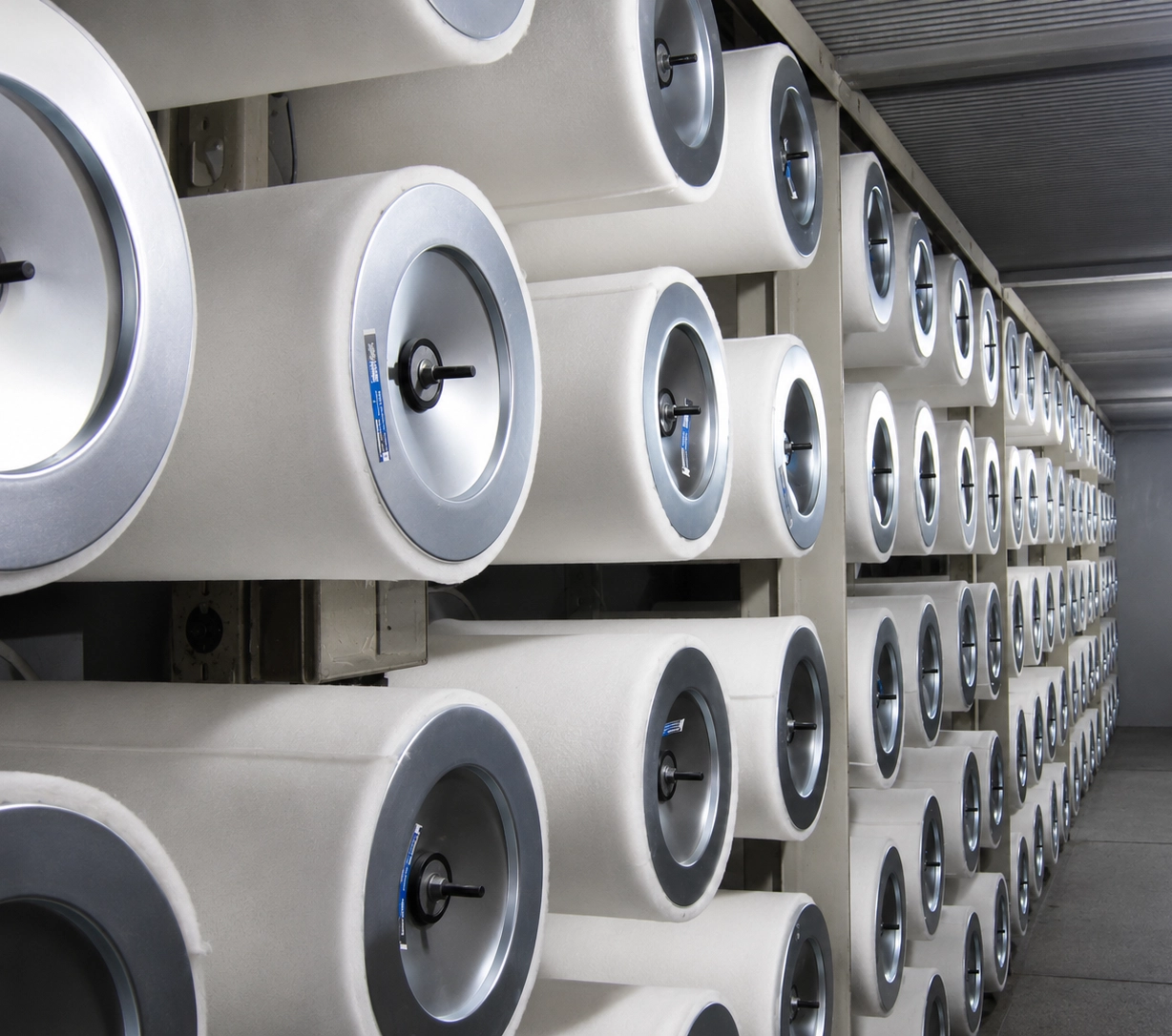
An oil bath filter cleans the air by utilizing rotating panels that are coated with a film of oil. As the panels slowly turn through an oil reservoir, the viscous oil captures dust particles from the air. The rotation then brings the laden panels back through the oil, which washes them clean. Any dust that accumulates settles to the bottom of the reservoir as sludge, which can be easily removed by hand with a scraper. Since the panels are continuously cleaned and re-wetted, there is no need to replace any filter elements. This design maintains a constant pressure drop, rather than allowing it to rise as dust builds up. For applications requiring larger air capacities, single filters can be assembled into multiple banks.
Industries:
- Power generation
- Oil & gas — large HFO and gas engine plants
- Mining and minerals processing
- Heavy industry and industrial HVAC
Systems and Conditions:
- Large HFO / diesel / gas engine combustion air intakes
- Power house and engine-hall ventilation
- Industrial HVAC make-up air
- Sites with very high dust concentration and large air volumes
- Applications prioritizing low operating cost and zero filter consumables
Minimum Information Required For Getting A Quote
- Air flow rate (m³/h or ACFM)
- Equipment protected like engine / ventilation / HVAC
- Site conditions like dust concentration, climate and altitude
- Required filtration grade
- Available footprint and orientation constraints
- Material and corrosion-class requirements
- Applicable design codes and certifications
Operating Principles:
Rotary panels turn through an oil reservoir on a time-controlled cycle. The viscous oil film traps dust; immersion washes the panels; dust settles as sludge in the reservoir for manual removal. The result is constant cleaning efficiency and constant pressure drop, with no consumable filter elements.
Product Features and Benefits:
- Single-panel (G3) or double-panel (G4) rotary panels
- Pressure drop does not exceed ~250 Pa across the viscous surface even in very dusty conditions
- No filter element replacement: dust removed as sludge by scraper
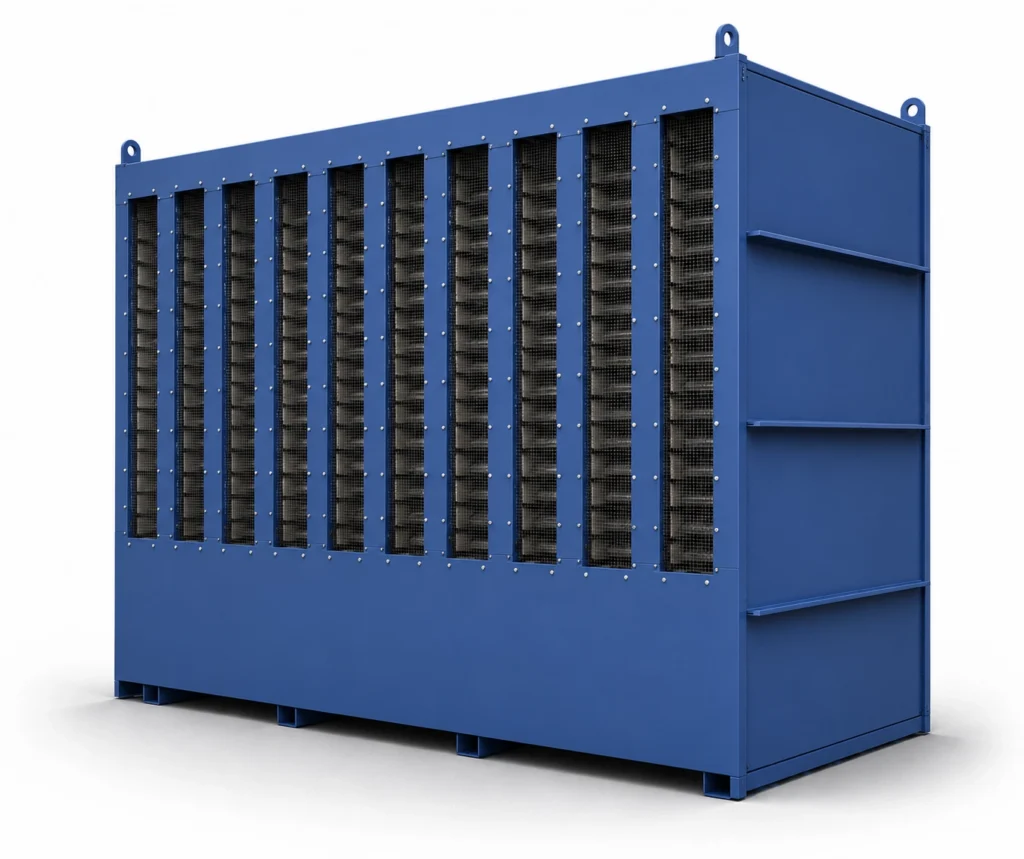
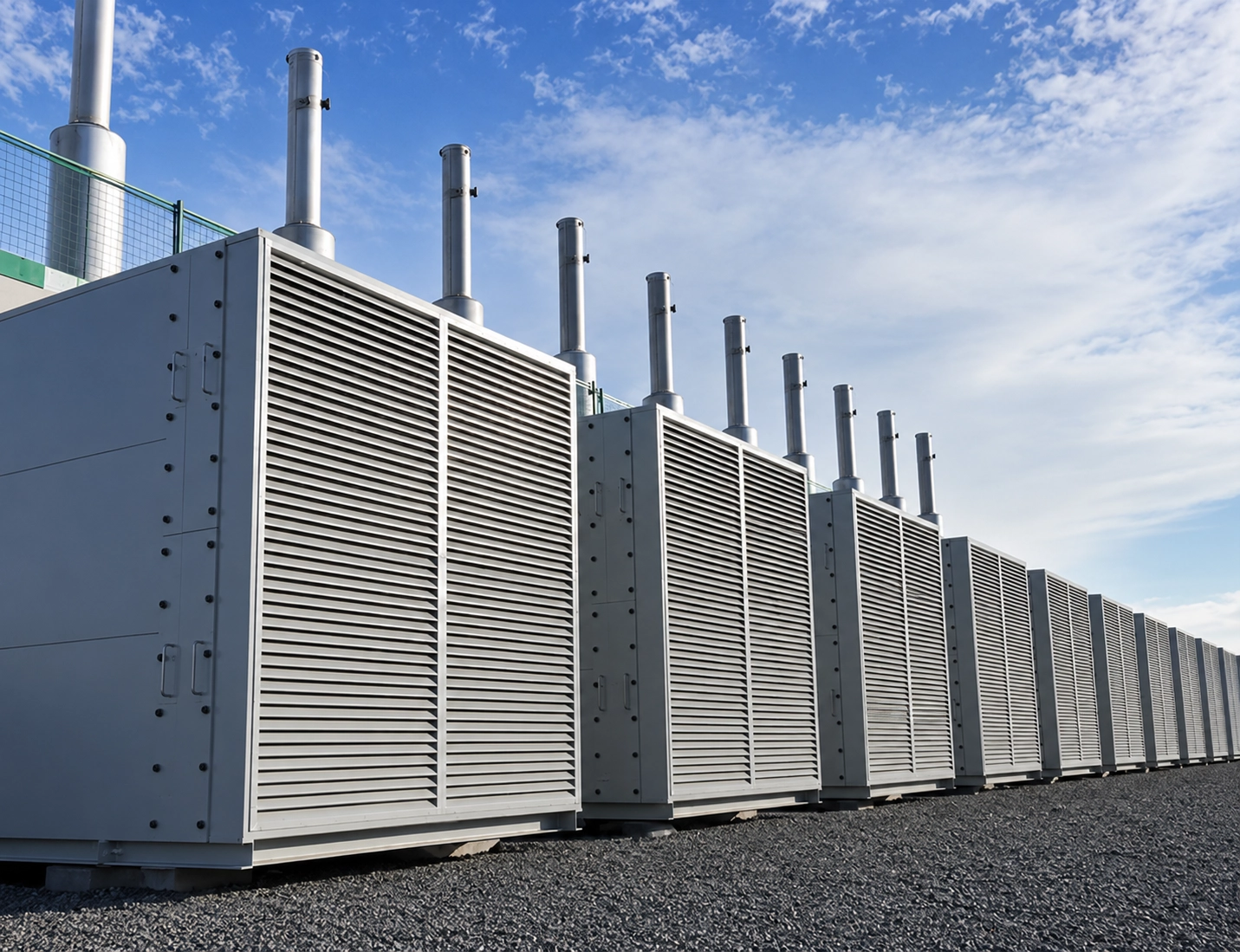
- Single filters assembled into multiple banks for larger air capacities
- Small footprint and easy on-site installation
Design Codes:
Oil bath filter grades are quoted against adapted EN 779 (G3 / G4). Since 2018, EN 779 has been replaced by ISO 16890 for general air-filter classification; the equivalent coarse grades should be confirmed for any published page.
Options:
- Inertial dust extraction system
- Weather louvers and weather hoods
- Secondary filtration stages
- Air intake silencer (tubular / splitter)
- Air intake plenum, ducting and expansion joints
- Skid-mounted (skid) approach
Relevant Industries
Oil Bath Filters FAQ
Related Products
Make every area of your facility quieter, safer and compliant. Explore all Burgess-Manning noise reduction products.

Static Filtration
Jet-Pulse Filters
Inertial Filters
Ventilation Solutions
Ready To Discuss Your Project?