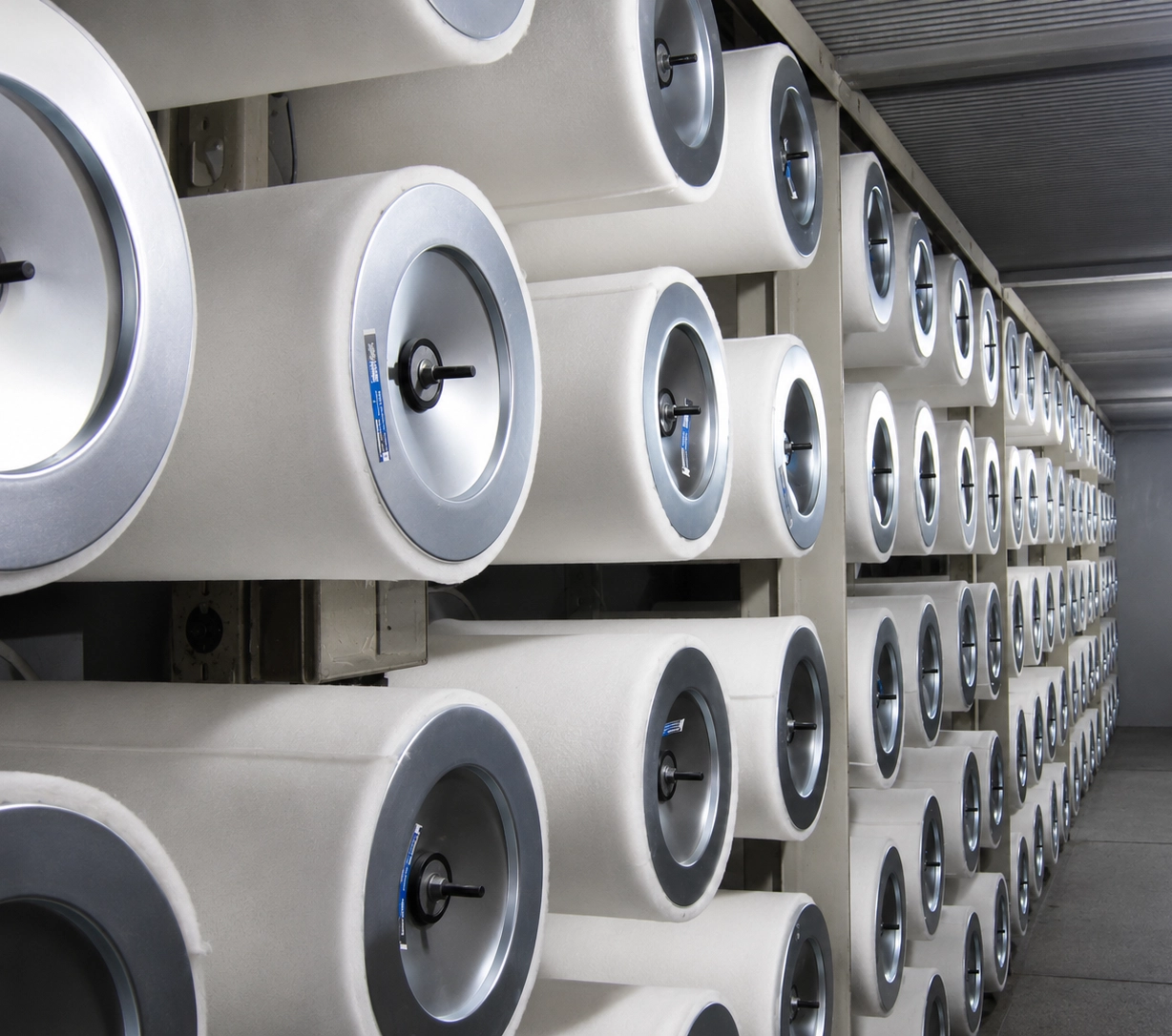
Jet-Pulse filters
Self-cleaning air intake filtration engineered for low pressure drop in the dustiest environments
In high-dust climates, traditional fixed filters can clog quickly, which leads to a loss of efficiency in turbines, engines and compressors. Burgess-Manning jet-pulse filters address this issue with an automatic self-cleaning mechanism that keeps the cartridges clean, ensuring a low and stable pressure drop throughout the filter’s lifespan. These systems are designed to withstand conditions such as sandstorms, seasonal dust like the harmattan and laterite, providing protection for gas turbines, compressors and large engines where conventional air intake filtration struggles.
A jet-pulse filter is a self-cleaning cartridge air intake filter. Instead of accumulating dust until the elements need replacement, it utilizes short bursts of compressed air that are directed back through the cartridges in an automatic sequence. This dislodges the dust, allowing it to fall away. This continuous cleaning keeps the differential pressure low and prolongs the life of the cartridges, making jet-pulse filters the preferred choice for handling high levels of dry dust.
Self-cleaning systems are also efficient in cold climate operation by reducing the risk of ice formation on the filter media. Because the cleaning occurs in place and only when needed, the system can operate for extended periods without requiring cartridge changes and avoids the steep pressure drops that typically burden fixed filters in dusty environments.
Industries:
- Power generation
- Oil & gas and gas transmission / compressor stations
- Petrochemical and refining
- Mining and minerals processing
- Industrial cogeneration
Applications:
- Gas turbine combustion air intake systems
- Compressor and large diesel / gas engine air intakes
- High-dust, dry climates: desert, sandstorm, harmattan and laterite
- Sites where minimizing intake pressure drop is critical to power output
- Remote sites where reduced filter maintenance is a priority
Minimum Information Required For Getting A Quote
- Air flow rate (m³/h or ACFM)
- Turbine / compressor / engine make and model
- Site conditions including climate, dust type and concentration and altitude
- Required filtration class or target efficiency
- Available footprint and orientation constraints
- Compressed-air supply availability for the pulse system
- Material, coating and corrosion-class requirements
- Applicable design codes and certifications
Operating Principles:
Dust-laden air is drawn through cylindrical filter cartridges. As dust builds on the cartridge surface, a controller triggers a reverse pulse of compressed air that flexes the media and releases the dust cake, which drops into a collection zone. Cartridges are cleaned in sequences so airflow is never interrupted, keeping differential pressure low and stable and protecting turbine output.
The benefit chain is the same one that drives all intake filtration, but jet-pulse manages it by removing dust continuously rather than storing it, which is why it outperforms fixed filters in heavy, dry dust.
Product Features and Benefits:
- Low, stable pressure drop
- Automatic self-cleaning
- High filtration efficiency
- Extended cartridge life
- Reduced maintenance
- Built for harsh environments
- Modular & quick to assemble
Design:
- Painted carbon steel or stainless steel (e.g. 304L / 316L) selected by site corrosion class
- Integrated compressed-air manifold, pulse valves and controller
- Modular sections sized for container shipping and rapid on-site assembly
- Hopper / collection zone for dislodged dust
Design Codes:
Air intake filter cartridges for rotating equipment are classified under ISO 16890 (fine-dust efficiency) and tested under ISO 29461 (air intake filter systems for rotary machinery).
Options:
- Weather hoods, louvers and inlet hoods
- Inertial pre-separation for very high dust loads
- Final / safety filter stage downstream of the cartridges
- Anti-icing systems for cold climates
- Evaporative cooling
- Motorized dampers for intake isolation
- Differential-pressure monitoring and pulse-control instrumentation
- Dust extraction / collection hopper
- Dust extraction fan
- Support structure, platforms and access
- Stainless steel or upgraded coatings for corrosive environments
STATIC FILTRATION OR JET-PULSE, WHICH DO I NEED?
Not sure which fits your site? See Static Filtration or talk to a Burgess-Manning engineer about your air quality and dust load.
|
BEST FOR |
High, dry dust loads like desert, sandstorm, laterite and arid sites |
Moisture, salt and sticky/oily contaminants; highest final air quality |
|
CLEANING |
Automatic compressed-air pulse, in place |
None; elements replaced when loaded |
|
PRESSURE DROP |
Low and stable over service life |
Rises as the filter loads with dust |
|
MAINTENANCE |
Fewer changeouts in heavy dust |
Scheduled element replacement |
Relevant Industries
Jet-Pulse Filters FAQ
Related Products
Make every area of your facility quieter, safer and compliant. Explore all Burgess-Manning noise reduction products.
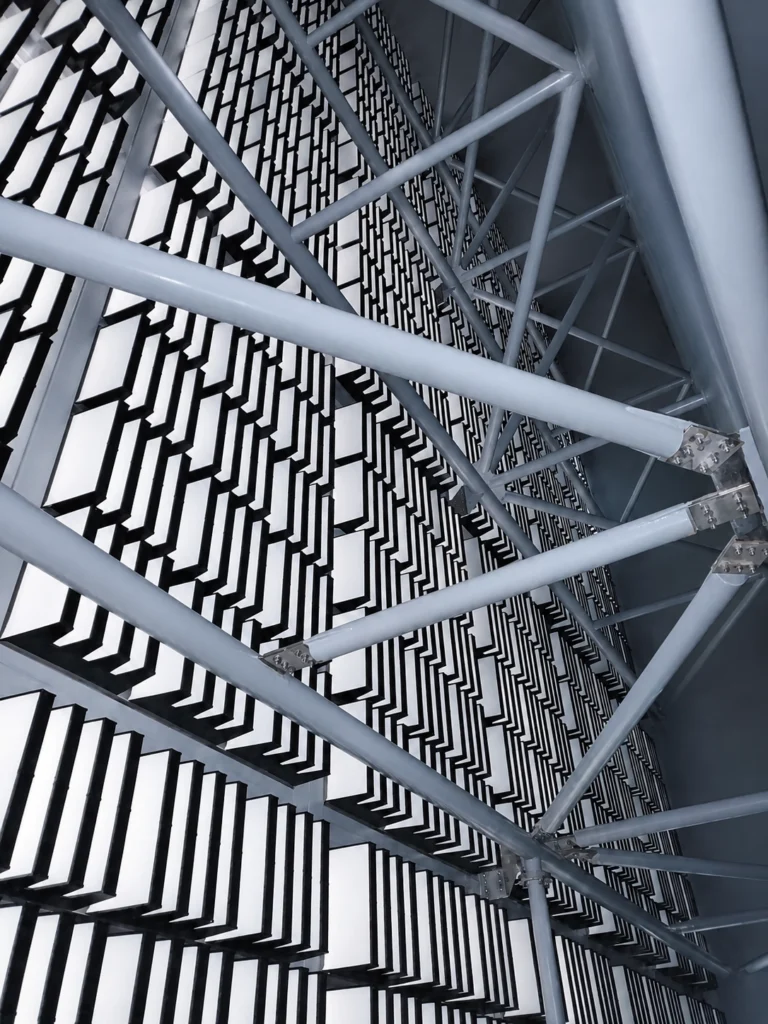
Static Filtration
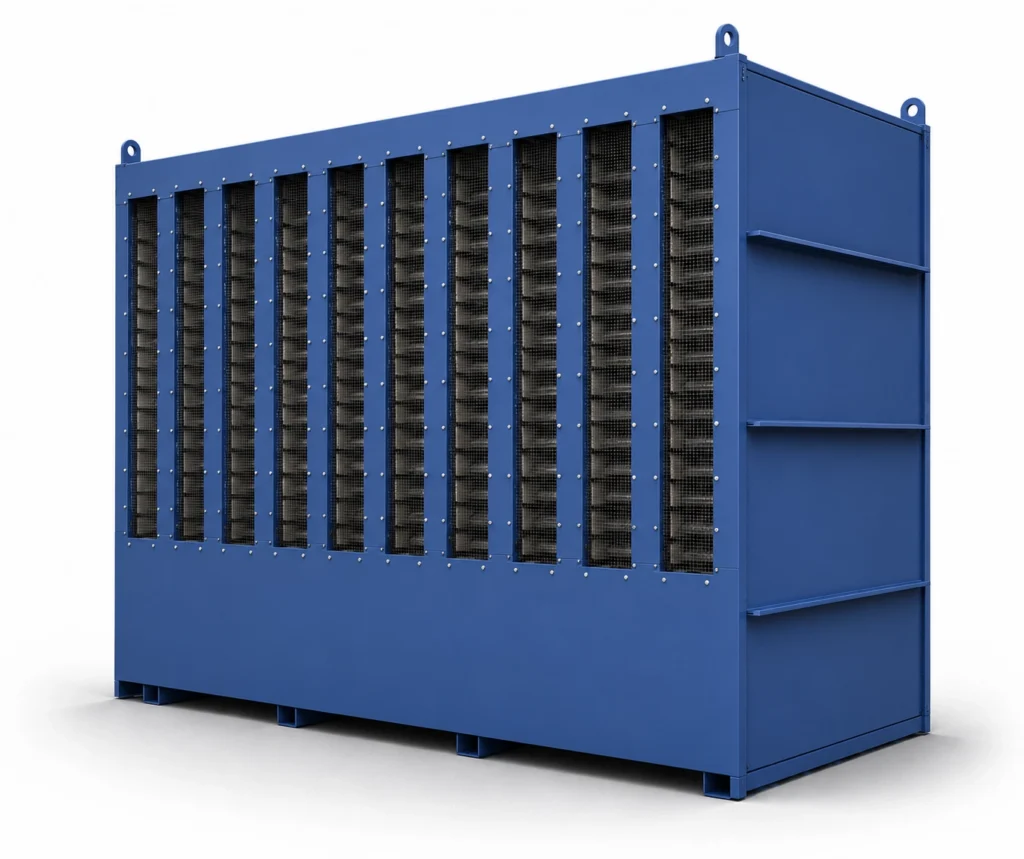
Inertial Filters
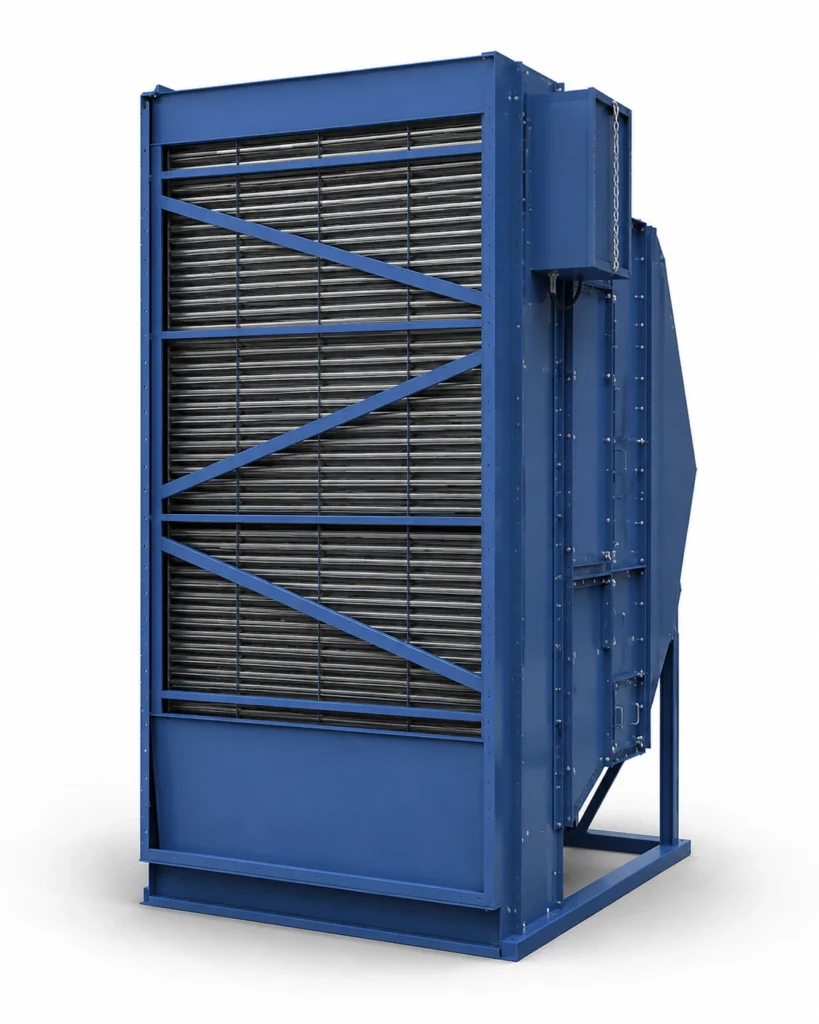
Oil Bath Filters
Ventilation Solutions
Ready To Discuss Your Project?